
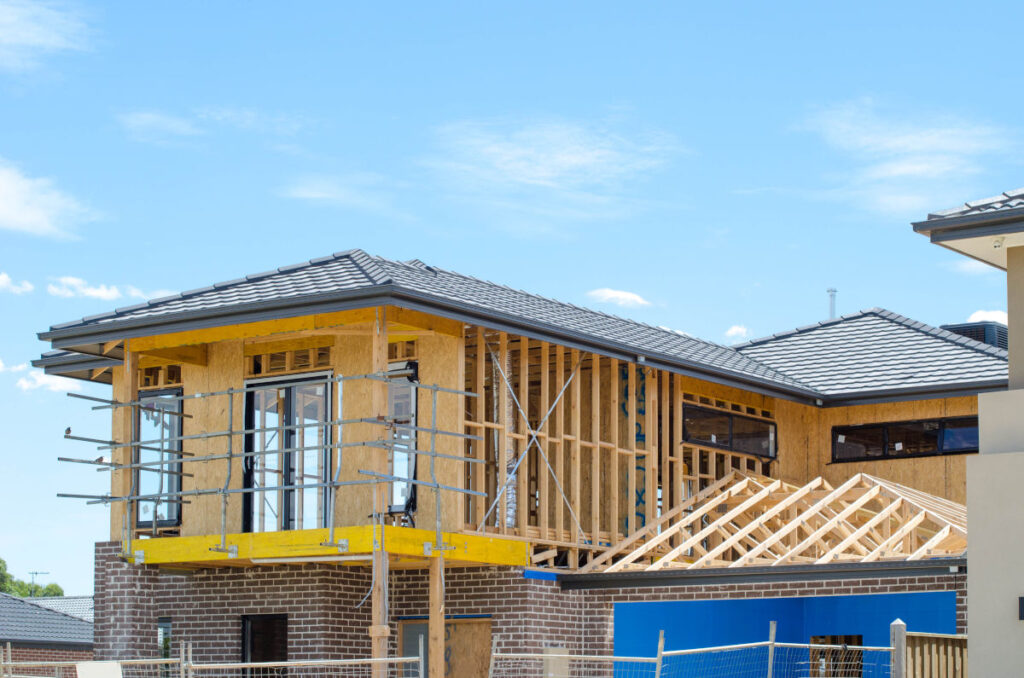
A self-build project is one of the most rewarding ways to create a home that genuinely suits how you live. Rather than adapting to a house someone else designed, you get to shape every room, material and detail around your own family and future. But a self-build is also a significant undertaking, and going in with clear expectations makes all the difference between a smooth build and a stressful one. Here are five things worth knowing before you start.
1. Your budget needs more breathing room than you think
Every self-build project tips list will tell you the same thing: build in a contingency fund and then add a bit more. Costs for materials, groundworks and labour can shift during a build, particularly on projects involving older sites, tricky access or unusual ground conditions. A sensible contingency is typically ten to fifteen per cent of your total budget. It is far better to finish with money unspent than to run out halfway through fitting the kitchen.
2. Planning permission takes longer than most people expect
Whether you are building on a clear plot or working within a conservation area, the planning process can take months rather than weeks, especially if your local authority requests amendments or additional surveys. If your plot has any heritage or conservation constraints, it pays to bring in a home builder with genuine experience navigating those requirements early, rather than after a scheme has already been drawn up. Getting the right advice from the outset can save considerable time and expense down the line.
3. Choosing the right team matters more than choosing the right design
It is tempting to fall in love with a set of drawings before you have thought carefully about who will actually deliver them. Custom home builders vary enormously in their approach, their communication style and their experience with the type of project you have in mind. Look at previous work, speak to past clients if you can, and pay close attention to how clearly a builder explains process and cost. A strong working relationship with your chosen team will matter every single day of the build, long after the initial design excitement has settled.
4. A new build still needs to respect its surroundings
Even a completely new build benefits from being designed with its setting in mind, whether that means matching local materials, respecting neighbouring sight lines, or simply ensuring the house feels like it belongs where it stands. This is particularly true in villages, market towns and anywhere with a strong existing character. A thoughtful design team will help you achieve something contemporary and practical without it feeling out of place.
5. The build programme rarely runs in a straight line
Weather, supply chains and the sequencing of trades all affect how a build progresses, and even well-planned projects experience some delay along the way. Building in flexibility, both in your schedule and your mindset, will help you stay calm when timelines shift. Regular updates from your builder, and a clear sense of what is happening and when, make an enormous difference to how manageable the process feels.
Starting your self build project
A self-build is a big commitment, but with the right budget, the right planning advice and the right team around you, it is entirely achievable. If you are considering a self-build project and want to work with a team that understands both design and the practicalities of construction, get in touch with Marptree to discuss your plans.